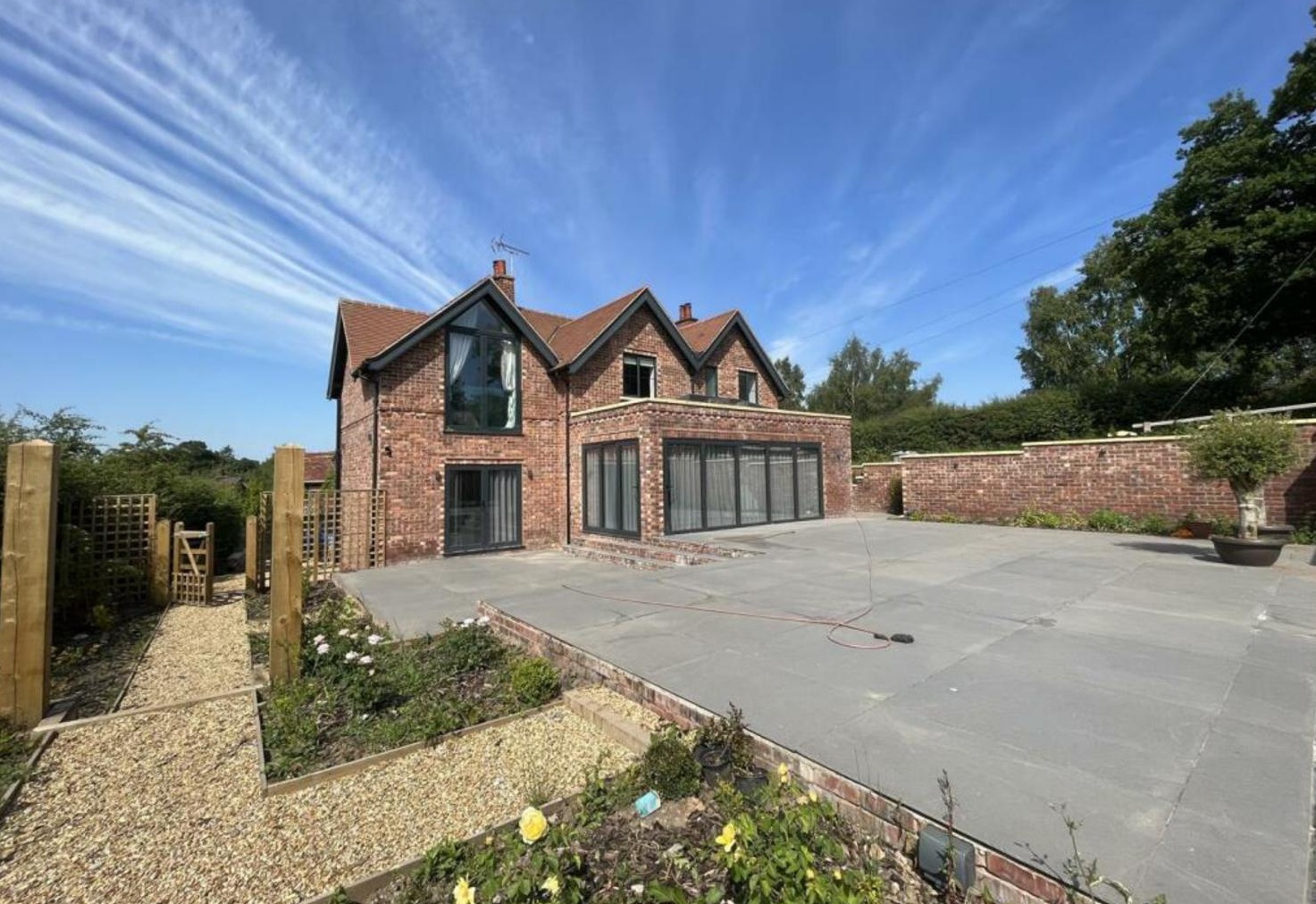
What Is a Side Return Extension and Will It Work for You?
Thinking about filling in that narrow alley beside your house? Here is how side return extensions work and how to tell if your home is a good fit.


Thinking about filling in that narrow alley beside your house? Here is how side return extensions work and how to tell if your home is a good fit.

That narrow strip of space beside your kitchen can feel wasted, especially in a typical Victorian or Edwardian terrace. A side return extension lets you turn that gloomy alley into valuable, light filled living space, often creating the dream kitchen diner without moving house.
In many period terraces and semi detached homes, the original layout steps in at the back, leaving a slim outdoor passage along one side. A side return extension simply builds over this alley, squaring off the back of the house.
In section, you can picture it as:
The result is usually a much wider kitchen or open plan kitchen diner, with better views into the garden and more practical storage and seating areas.
Side return extensions are most common on Victorian and Edwardian terraces, where the typical layout is a front reception, rear reception and a narrow rear kitchen. The side alley usually runs beside the rear rooms, giving just enough width to extend into.
They can also work well on some 1930s houses and semis with a similar side passage and stepped rear wall. The key is having enough width in the alley to create usable internal space once walls and insulation are added.
Good candidates often share a few features:
If your kitchen already runs full width across the back of the house, or you have no side alley, a rear or wrap around extension might be more suitable than a simple side return infill.
Most homeowners use a side return extension to unlock a family friendly kitchen diner. By taking in the side passage and often removing internal walls, you can form one larger, brighter space facing the garden.
Popular layouts include a long run of kitchen units against the party wall, with an island or peninsula in the middle and a dining table nearer the garden doors. Some designs tuck in a utility cupboard or small WC where ceiling heights or drainage runs allow.
For a quick mental sketch:
Street → front room → middle room → wide new kitchen diner → garden
Keeping part of the space zoned for softer seating can also make the new room feel more like a living area than a purely functional kitchen.
Infilling the side alley removes an outdoor strip of sky, so planning daylight is essential. Many side returns use glazed roofing, roof lanterns or a run of flat rooflights over the new area to pull light deep into the plan.
Large glazing towards the garden, such as sliding or bifold doors, also helps balance the extra width. Aim to mix roof glazing, vertical glazing and good artificial lighting so the room feels bright all year round.
Side return roofs are often lean to, sloping from the party wall down to the boundary. Getting the fall right while keeping ceiling heights comfortable can be a juggling act, especially beside upper floor windows and existing drains.
Building Regulations now expect high levels of insulation and good airtightness. That means thinking early about:
Ventilation strategies, such as trickle vents, extract fans and in some cases mechanical ventilation; how to avoid cold bridges where old and new structures meet; and shading to limit overheating under large areas of glass.
Real world projects often reveal challenges hidden in that side strip. Common issues include existing drainage runs sitting right where new foundations are planned, or surprise shallow foundations to the original rear wall.
These can usually be resolved but may mean adjusted foundation designs, local underpinning or re routing drains, all under Building Control guidance. Matching bricks, roof tiles and detailing can also take more effort than expected, particularly on older properties where original materials are no longer readily available.
Most successful side return projects follow a clear sequence. It typically starts with a measured survey of the existing house and boundaries, so accurate plans can be drawn. This is followed by concept designs and layout options that test how the new space will be used.
Once a preferred design is agreed, an engineer prepares structural calculations for any steelwork, lintels and foundations. These calculations inform detailed drawings for Building Regulations and for the builder to price and work from.
On site, temporary supports are installed before any load bearing walls are removed. The new structure is built, the envelope is made weather tight, then services, insulation, plastering and finishes are added. Finally, Building Control inspections are completed and a completion certificate issued.
Thinking through some practical points at the outset can save time and rework later on.
Being clear on these points helps your designer, engineer and builder align their plans and reduces the likelihood of late stage compromises.
Some side return extensions fall within permitted development rights, particularly if they are single storey, modest in height and depth, and on a non designated property. However, corner plots, flats, conservation areas and previous extensions can limit or remove those rights.
Even where formal planning permission is not needed, Building Regulations approval still is. Building Control will check structure, insulation, fire safety, drainage, ventilation and electrical safety among other elements, giving you confidence that the new space is safe and compliant.
If your kitchen feels cramped, your side passage is mostly dead space and you would like a stronger link to the garden, a side return extension is worth serious consideration. The best projects look simple but are carefully planned around light, structure, drainage and the day to day way your household lives.
For a clearer picture of what is achievable in your home, it helps to walk the space with someone who understands the quirks of period properties and modern regulations. To talk through feasibility and arrange a site visit, contact Construction Committed on 07805 635037 and explore how that narrow alley could become your favourite room in the house.
.jpeg)
.jpeg)